

8 Crops to Grow if Your Soil Sucks


Seed catalogs are in mailboxes and spread open on tables all across the country. If you haven’t already, now is a good time to get your seeds ordered. While flipping through catalogs of all the beautiful varieties, it can be tempting to order a little of everything, but if you struggle with poor soil, this can ultimately lead to disappointment.
On our farm, many of our beds are heavy clay, nutrient poor, and highly acidic. While we’re slowly working to amend them, we don’t make enough compost to fix all of them at once and, like most people, can’t afford to purchase truckloads of finished compost. But not all hope is lost! There are many crops that tolerate tough conditions. Here are a few of our favorite crops to grow in beds where the soil sucks.
All of the specific varieties I list in this article we purchased at Southern Exposure Seed Exchange.
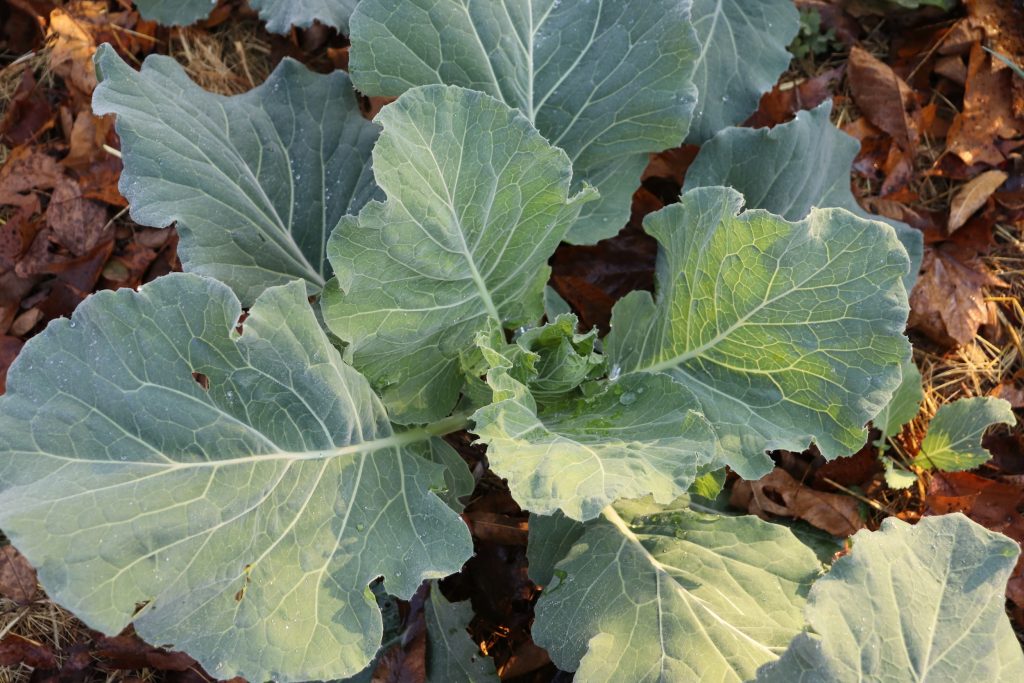
Collards
Over the last few years, collards have won a permanent spot in my garden. Collards are often listed as heavy feeders, but we’ve found that many of our older varieties thrive on borderline neglect. My favorites, Alabama Blue collards, thrive in our heavy clay with few amendments other than mulch. They’ve survived two winters in our garden with no cover and two dry summers with no supplemental watering. Collards are superstars.
Collards are a biennial crop, meaning that they go to flower and produce seed in their second year of life. As they’re easy to overwinter in much of the Southeast, collards also make a great beginner seed saving project. They produce tons of seeds. Just harvest the tops of the plants when the pods turn brown and dry. They you can crush the brittle pods and winnow the seeds.
Radishes
Radishes are truly underrated veggies that grow exceptionally well in poor soil. They also grow quickly, allowing you to get more than one succession. Look for spring or salad radishes for spring crops and fall radishes for later in the year that will keep longer in storage.
If you have heavy clay, Daikon radishes are a top choice. These radishes are tasty when small but also serve as a headful cover crop when you let them grow large. Many farmers grow daikons in the winter to break up heavy clay and compaction. When the large roots break down, they add nutrients, organic matter, air pockets, and drainage to your soil.
Cabbages
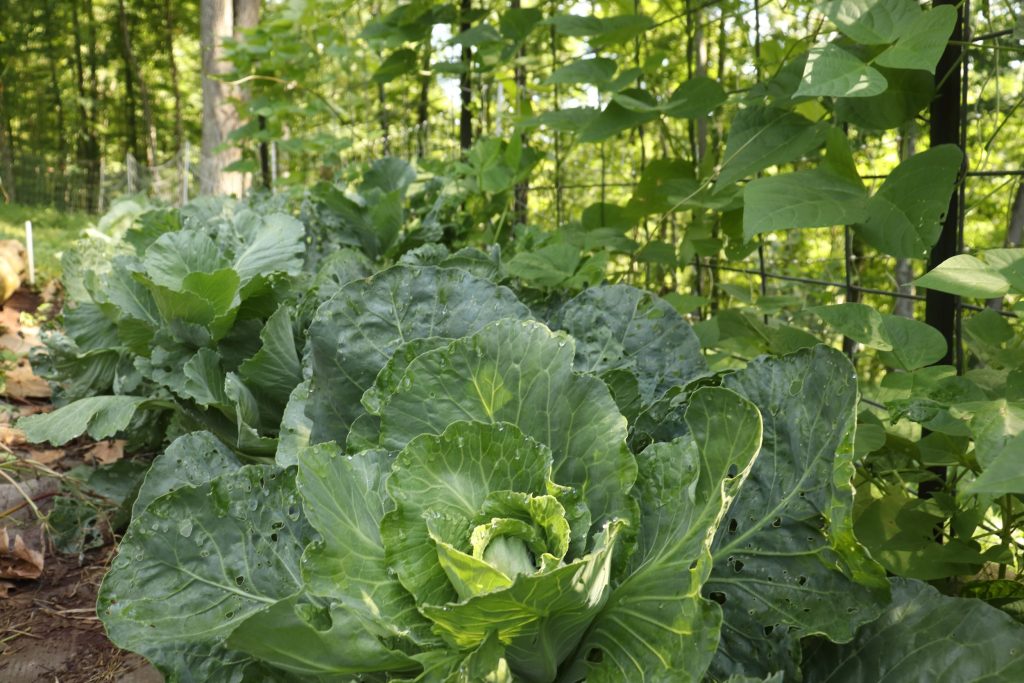
There’s a reason you see cabbages in so many old black and white garden photos. These vegetables are workhorses! Cabbages produce a massive amount of food and can do it well in relatively poor soil or heavy clay.
One area I see people struggle most with cabbages is pests like cabbage worms or loopers. We like to cover our market cabbages and other brassicas like broccoli and cauliflower with row cover to exclude pests. However, you can also use organic products like Bacillus thuringiensis (Bt) spray. Bt is a naturally occurring bacteria that kills cabbage worms but it completely harmless to humans.

Lettuce
Lettuce doesn’t need much to thrive and is a good beginner-friendly crop. In many rotation plans, lettuce and other leafy greens are the last in the rotation because they don’t require nearly as much nitrogen as heavy feeders like tomatoes and squash.
Loose-leaf, cut and come again, type lettuces are the easiest to grow; however, we’ve had some good luck with hardier romaine varieties. Jericho romaine, which was bred in the Israeli desert to withstand heat, is our favorite summer lettuce. In fall and winter, we love Sweet Valentine.
Southern Peas
Southern peas go by many names, including cowpeas, black-eyed peas, crowder peas, and field peas. They’re an old Southern favorite that’s wonderfully productive in poor soil. In fact, too much nitrogen can prevent them from producing well. Southern peas also perform well in heavy clay. You can use them fresh as shelly peas or wait until they’re dry and mature.
Today, southern farmers will often grow a variety called Iron and Clay southern peas as a nitrogen-fixing cover crop, but they’re also one of my favorite varieties for eating. They have great flavor and are ridiculously productive with good disease resistance and drought tolerance. Enslaved African Americans brought these peas to the United States during the brutal Transatlantic Slave Trade and according to George Washington Carver’s 1908 Cookbook of Field Pea Recipes, these peas served as field rations for Confederate soldiers and sustained newly freed African Americans after the Civil War.
Flint, Dent, and Flour Corn
Technically, these big corn varieties are heavy feeders. Most sources indicate that to produce well, they need plenty of nitrogen, potassium, and phosphorus. However, we’ve found that the Bloody Butcher we grow does pretty well without too many added amendments. We put what limited compost and chicken manure-covered hay we can on the beds, don’t water, weed occasionally, and still get tons of corn.
We love this type of corn because it produces tons of calories for the amount of garden space it takes up. It’s an excellent staple crop for any homestead. I have a full article about grain corn called, They Can’t Starve Us Out: Growing Grain Corn, which will help you choose the right variety for your area.
Pole or Bush Beans
Like southern peas, pole and bush beans are nitrogen-fixing legumes that can pull nitrogen out of the air and into the soil through a symbiotic relationship with bacteria. Beans will do well in relatively poor soil, and we’ve had no trouble with them in our heavy clay.
There are so many fun varieties of beans to choose from and many areas have regional favorites. Sadly, many heirloom pole beans are facing extinction as modern seed growers and farmers give them up in favor of bush beans which are better suited to mechanized harvest. Thankfully, they’re easy to save seed from once you find a favorite variety. Some of our favorites include Turkey Craw, Genuine Cornfield, Tiger’s Eye, Cherokee Trail of Tears, and Provider.
Amaranth
Amaranth can thrive in soil that’s too poor and too dry for most other crops. This tall plant produces tasty, spinach-like leaves and grains that are a bit like quinoa. Our amaranth thrived in compacted soil during a long drought with no additional water.
Amaranth also makes a lovely addition to flower arrangements, particularly the red varieties. We’ve enjoyed Golden amaranth and Mayo Indian amaranth.
Flowers & Herbs
I wanted to focus on vegetable crops for this article, but no garden is complete without a few flowers and herbs. Here are my favorites for poor soil.
Yarrow
Black-eyed Susans
Echinacea (coneflowers)
Zinnias
Sedums
Butterfly Weed
Bee Balm
Goldenrod
Ironweed
New England Aster
Mountain Mint
Rosemary
Oregano
Thyme
No matter what you’re growing, your crops will do better in soil with a good deal of organic matter and appropriate nutrient levels. When that’s not possible, add as much compost or aged manure as possible and opt for crops like these that still produce well in tough conditions.
What are your go-to crops for less than ideal soil conditions? Did we miss anything?






No comments.